Table Of Content
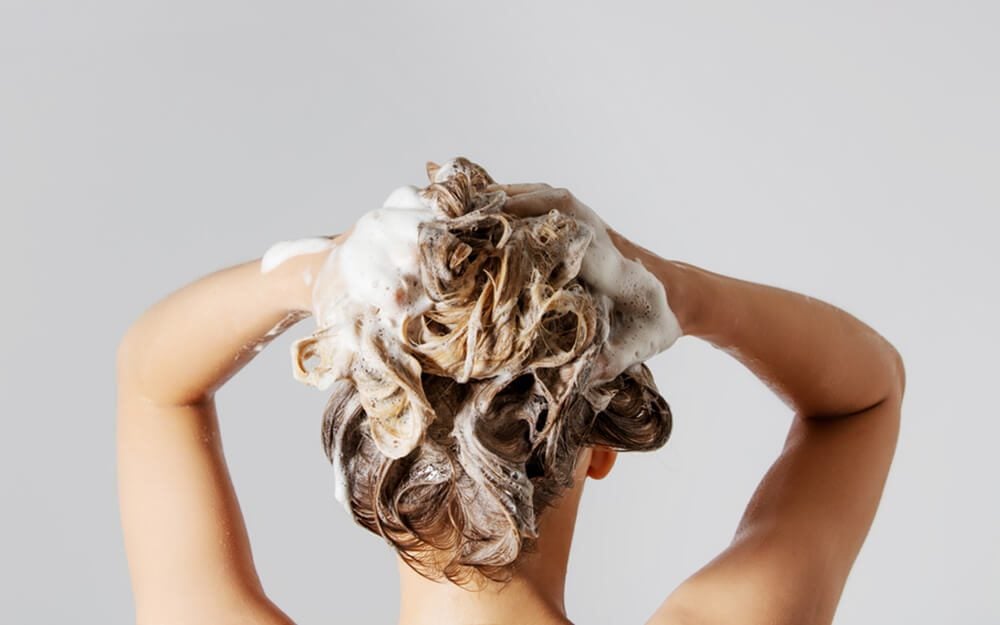
Follow these expert tips to get shiny, healthy hair and say goodbye to damage for good. Start by understanding what caused the damage and use that information to make smart choices when it comes to styling and maintenance. Use shampoos and conditioners designed to repair damaged hair, handle wet hair with care, and embrace leave-in treatments to keep hair looking and feeling its best. Fluctuating hormones, too-tight hairstyles, environmental exposure and overwashing are all contributors, says celebrity stylist Larry Sims.
Best Weekend Looks for Heat-Damaged Hair

Gently blot wet hair with a soft towel or microfiber cloth to dry it without damaging your locks. Protecting vulnerable tresses requires extra T-shirt drying, hydrating products, and heat protection for all hair types. Revive your damaged hair with a shampoo and conditioner specifically made to nourish and repair it! Select one formulated for hydration, restoration, and protection – like Mineral Fusion Color Treated Hair Shampoo. Only you (well, and your hairstylist) know how often your scalp gets greasy.
Best hair masks for bleached hair in 2023 - Evening Standard
Best hair masks for bleached hair in 2023.
Posted: Wed, 16 Aug 2023 07:00:00 GMT [source]
Use a Gentler Brush
Skip products that boast of a “long-lasting hold.” These products can dry out your hair. Brushing or styling your hair once you’ve applied them can also cause your hair to break. A diet loaded with whole foods like fruits, vegetables, and whole grains has a host of benefits, including healthy hair. Biotin, vitamins A and C, and iron are all important for strong, luscious hair. Jojoba oil can help strengthen and rehydrate the hair.
How to Repair Hair (When You’re Obsessed with Heat Styling)
Things are looking particularly high and dry atop your head? Then it's time to take your conditioning game to the next level. Start by replacing whatever standard conditioner you’ve been using with a moisture-specific option, using it every time you cleanse your mane (plus on its own every now and again, for good measure). Follow that up with weekly deep conditioning treatments, like this one by Rene Furterer. Designed as a mask to nourish and restore super-dry hair, this stuff takes only 20 minutes to leave your hair feeling soft and frizz-free.
“As soon as your hair emerges from its follicle, it has external elements to contend with,” says Anabel Kingsley, consultant trichologist and brand president at Philip Kingsley. In other words, some degree of harm is unavoidable. For hair that is in the early stages of damage, hair treatment methods can smooth down the hair follicles, which may then help repair the look of damaged hair. Towel drying can also help reduce frizz and breakage as it helps remove excess water without rough handling. Comb techniques, such as starting from the ends instead of the roots and using slow strokes, are essential for maintaining healthy locks.
Then, clip your hair up, wrap it up in a towel or plastic wrap, and wait 30 minutes before rinsing it out. If you've ever done an all-over bleach and tone, or any other severe, dramatic change in color to your hair, you may be familiar with this level of breakage. Experiencing excessive breakage that results in short hair patches is often caused by chemical damage, says Friese. "Chemical damage can usually be repaired by adding a protein regime," she says. We consulted a professional hairstylist and a trichologist to identify the signs that our hair is damaged as well as the steps we can take to heal it.
Unfortunately, it’s a lot easier to do some major, almost irreparable damage to your hair than you may think. Although it may be tempting, don't shampoo and style your hair the day of your color appointment. Try washing it one to two days before, but not in the 24 hours leading up.
Frizz and Flyaways
Even if you condition your hair or use a hair mask, leave-in treatments are clutch for repairing dry, frizzy hair and minimizing future damage. Whether your hair is curly, straight or somewhere in between, leave-in conditioners detangle, soften and smooth your hair. “The right leave-in conditioner will help to moisturize and repair your hair,” O’Conner says. Your hair will be noticeably shinier, smoother, and softer, and your color more vibrant. “These products are great to help repair hair by filling in the cuticle to create a stronger bond,” O’Conner adds. Rivas says to choose a keratin shampoo if you’re able to.
Philip Kingsley Flaky Scalp Soothing Dry Shampoo
(Kinda nice to feel so needed, ya?) “How you care for strands has a huge impact on their strength, appearance, and manageability,” says Kingsley. And, as you might expect, the longer your hair, the more weathered it will be, particularly if you color, bleach, or straighten your strands, she adds. Overexposure to heat and chemical treatments often cause damaged hair. Nourish your locks by using leave-in treatments tailored specifically towards your type of hair. Conditioners containing caring ingredients, as well as masks that help strengthen & hide split ends, will give you smooth results without compromising its integrity. Switch to a wide-tooth comb for wet hair – it’ll help detangle strands without causing breakage.
Fortunately, both bond repairers and protein treatments can mend structural weak spots in your hair. And the more hydrated your hair is, the more it can bend without breaking into pieces. If your hair is severely damaged, we recommend you use deep conditioners up to two or three times a week.
It’s counterintuitive, but brushing is when the damage is most likely to occur. Brush your hair before washing it and when absolutely necessary throughout the day. Start at the ends of the hair and slowly work out the knots as you move up toward your roots.
Be it your face, hands, or anywhere else, a little bit of extra moisture will certainly go a long way. To reduce buildup and prevent limp strands, it's smart to double shampoo as a follow-up to this mask. Another unconventional yet on-trend way to conceal split ends is with the "hair tuck," in which you'd leave the bottom of your hair tucked into the neckline of your shirt or jacket.


No comments:
Post a Comment